

Blueberry puree works harder than almost any recipe in your kitchen. It’s the smooth, vibrant base that gets your six-month-old through their first fruit milestone without choking scares, and it’s the secret ingredient that turns a basic margarita into something worth making twice. Most guides treat it like a baby-only task, but that leaves half its potential on the counter. This guide walks you through a foolproof no-cook recipe, then shows you how to adapt it for tiny eaters and grown-up drinks without doubling your work.
You’ll find exact safety steps for babies at every stage, storage timelines that actually prevent waste, and three cocktail recipes that justify keeping a batch in your freezer year-round. No fluff, no fear tactics, just the method and the reasons it matters.
Why Blueberry Puree Works for Babies and Adults
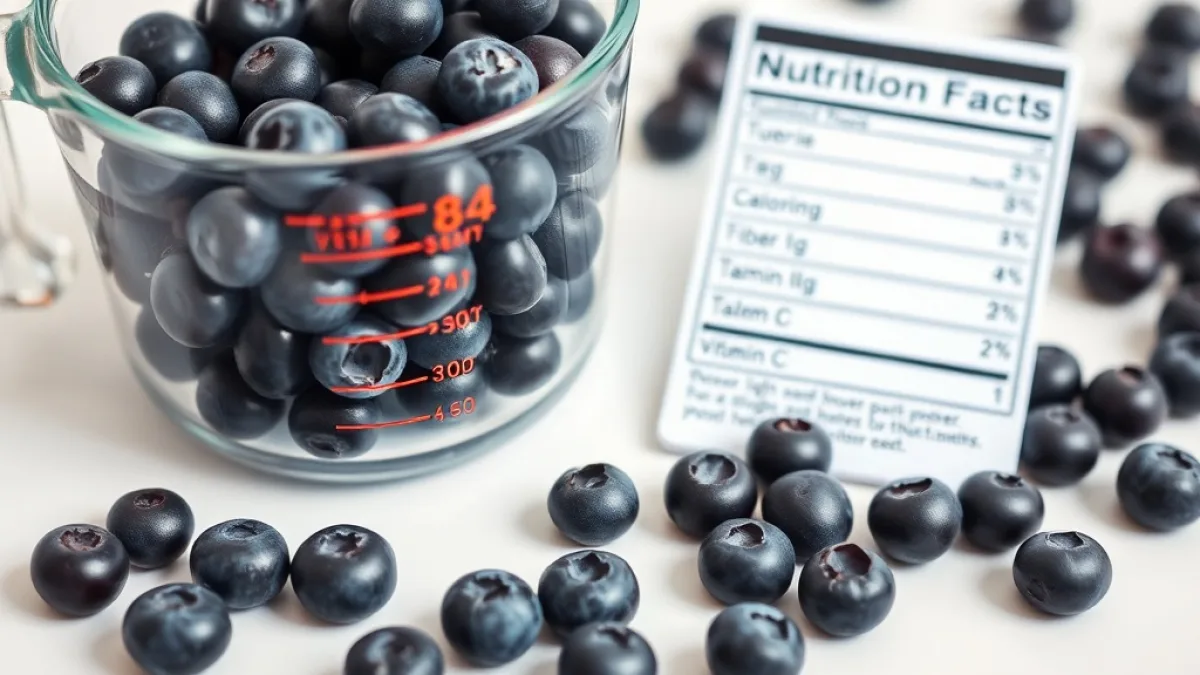
Blueberries pack serious nutrition into a small, soft package. One cup delivers 84 calories, 3.6 grams of fiber (14% of your daily value), and 14.4 milligrams of vitamin C (24% of what you need). That same cup also gives you 24% of your vitamin K, which matters for bone health and blood clotting. The fiber helps babies build healthy digestion early, while the vitamin C supports their developing immune systems as they encounter new foods and environments.
For adults, those same nutrients work differently but just as well. The anthocyanins (the pigments that make blueberries blue) have been linked to lower risks of cardiovascular disease and type 2 diabetes when eaten regularly in moderate amounts. A 2020 study published in the NIH database found that less than one-third cup daily was enough to show measurable benefits in insulin sensitivity and endothelial function.
Puree form makes all of this accessible. Babies can’t safely handle whole berries until they’re much older, and adults get a smoother, more mixable ingredient for drinks and desserts. You’re not choosing between baby food and adult recipes. You’re making one versatile base that adapts to whoever’s eating.
Choking Hazards, Allergies, and When Babies Can Start
Whole blueberries are a choking hazard until around age four. They’re small, round, and firm enough to block a young airway completely. That’s why puree is the safest starting point for babies as young as six months. By nine months, many babies can handle blueberries that have been flattened between your fingers until they’re about the width of a dime.
By twelve months, if your child shows strong chewing skills and can move food around their mouth confidently, you might offer quartered berries. But whole berries should wait until closer to four years, when their airways are larger and their coordination is solid.
Here’s a quick breakdown by age:
| Age | Preparation Method | Choking Risk |
|---|---|---|
| 6-8 months | Smooth puree | Low |
| 9-11 months | Flattened between fingers | Medium (if not flattened) |
| 12+ months | Quartered or flattened (if skilled chewer) | Medium |
| 4+ years | Whole berries allowed | Low |
Blueberry allergies are uncommon. They’re not one of the top allergens, but they do contain a protein called lipid transfer protein (LTP) that can cross-react with peaches, cherries, and other stone fruits. If your baby has shown sensitivity to those foods, watch for signs like hives, swelling around the mouth, or digestive upset when introducing blueberries. Solidstarts notes that true allergic reactions are rare, but it’s still smart to introduce blueberries during the day when you can monitor your child for three to five days afterward.
How to Make Blueberry Puree: No-Cook Base Recipe
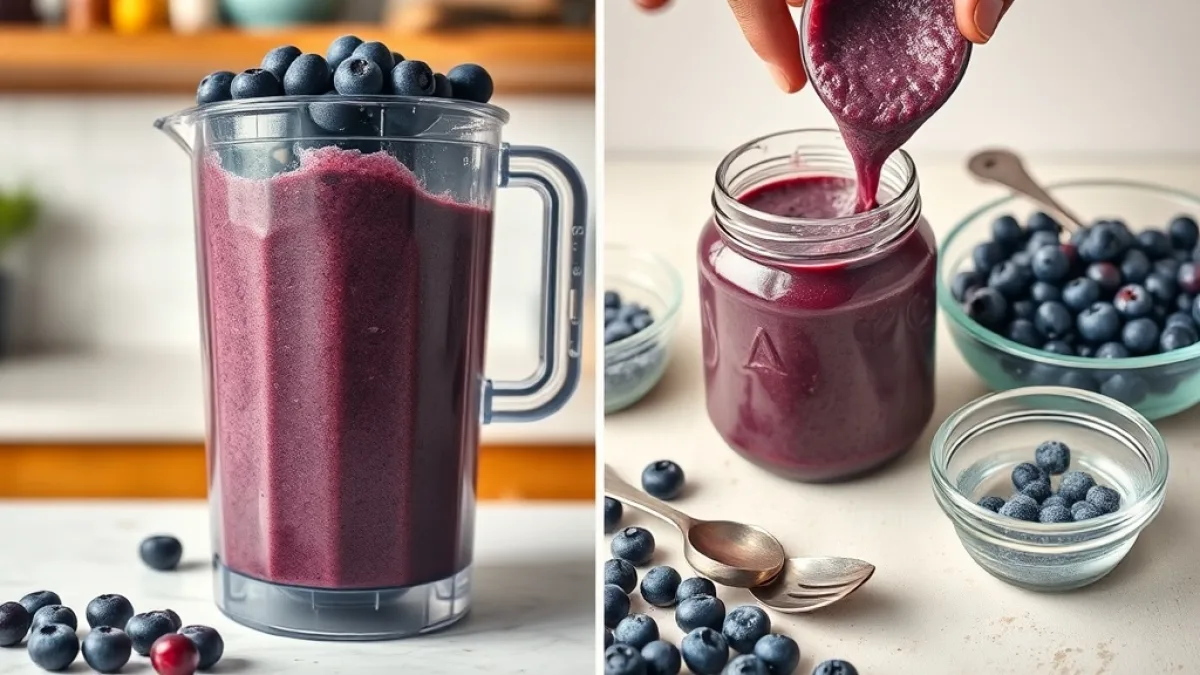
This recipe takes five minutes and requires no heat, which preserves more of the vitamin C and keeps your kitchen cool. You can use fresh or frozen blueberries. Frozen ones need a quick steam first to soften them enough to blend smoothly.
Ingredients
- 1 cup fresh blueberries (or 1 cup frozen, steamed for 2 minutes)
- 1-2 tablespoons water, breastmilk, or formula (optional, for thinning)
Instructions
- Rinse fresh blueberries under cold water. If you’re concerned about pesticide residues, soak them in a solution of one part white vinegar to three parts water for five minutes, then rinse thoroughly. This step isn’t required, but it can reduce surface residues significantly.
- If using frozen blueberries, steam them in a covered pot with a small amount of water for two minutes, then let them cool for one minute.
- Add blueberries to a blender or food processor. Blend on high for 30-60 seconds until completely smooth.
- If the puree is too thick for your baby’s current stage (especially if they’re just starting solids), add one tablespoon of water, breastmilk, or formula at a time and blend again until you reach the right consistency.
- Taste it. It should be naturally sweet with a slight tartness. If it’s grainy, blend for another 15 seconds.
That’s it. No sugar, no cooking, no complicated steps. You now have a base that works for babies, smoothies, yogurt bowls, and cocktails.
Storage Tips That Actually Prevent Waste
Blueberry puree lasts 48 hours in the refrigerator when stored in an airtight container. After that, the texture starts to break down and the risk of bacterial growth increases, especially if you’ve thinned it with breastmilk or formula. If you’re making a batch for your baby, portion it into small jars or silicone freezer trays so you’re only thawing what you need.
In the freezer, puree holds for up to three months. Use ice cube trays to freeze individual servings (each cube is roughly one ounce), then transfer the frozen cubes to a freezer bag once solid. Label the bag with the date so you know when to use it by.
| Storage Method | Duration | Best For |
|---|---|---|
| Refrigerator (airtight container) | 48 hours | Immediate use within 2 days |
| Freezer (ice cube trays or bags) | 3 months | Batch prep, long-term storage |
To thaw, move frozen cubes to the refrigerator the night before you need them. You can also thaw them in a bowl of warm water if you’re short on time, but never microwave puree for babies. Hot spots can form even if the outer layer feels cool, and you risk burns.
Baby Variations: Puree, Baby-Led Weaning, and Combo Recipes
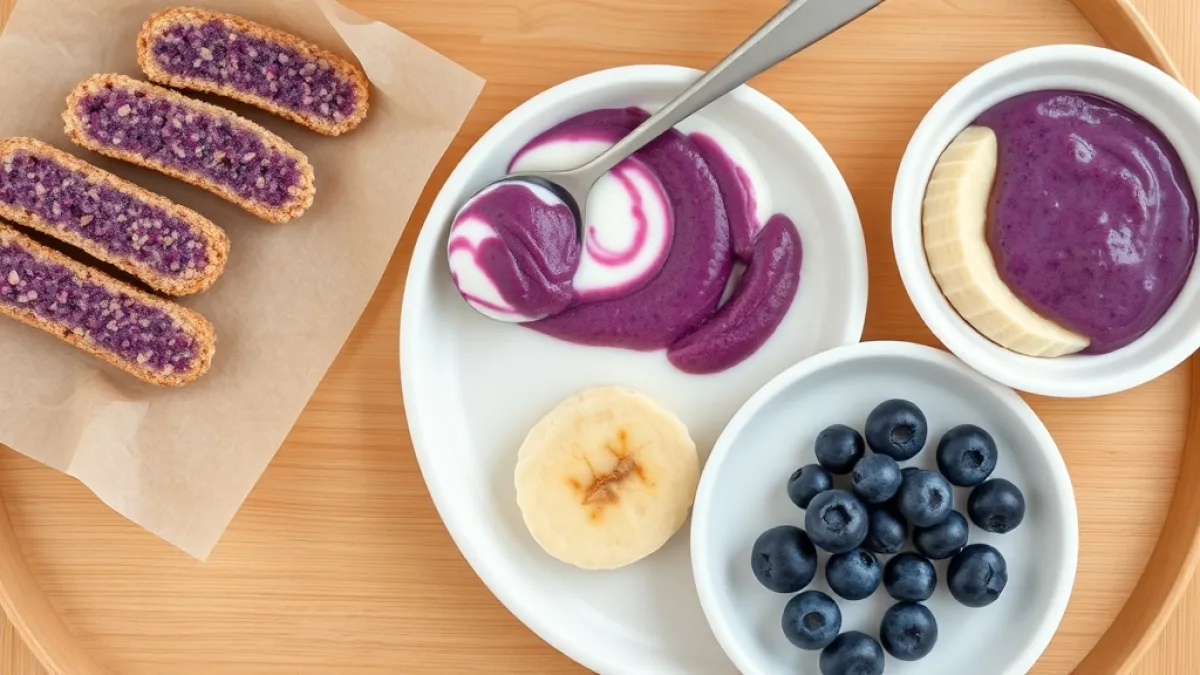
Once your baby masters plain blueberry puree, you can mix it into other foods to add flavor and nutrition without much extra effort. Here are four ways to use it as your baby grows.
Blueberry Oatmeal Fingers (9+ Months)
Mix two tablespoons of blueberry puree into a half cup of cooked oatmeal. Spread the mixture onto a parchment-lined baking sheet in a thin layer (about a quarter-inch thick). Bake at 350°F for 15 minutes, let it cool, then cut into finger-sized strips. These are soft enough for gums but hold their shape for self-feeding.
Blueberry Yogurt Preload (6+ Months)
Stir one tablespoon of puree into two tablespoons of full-fat plain yogurt. Offer this on a preloaded spoon before a meal. The fat in the yogurt slows digestion, and the fiber in the blueberries helps keep things moving. It’s a simple way to build a habit of eating fruit with protein.
Blueberry Banana Mash (6+ Months)
Mash half a ripe banana with a fork until smooth, then swirl in one tablespoon of blueberry puree. The banana adds natural sweetness and creaminess, and the two fruits together offer a broader range of vitamins. This combo works well as a dip for soft toast strips.
Flattened Blueberries for Baby-Led Weaning (9+ Months)
If you’re doing baby-led weaning, fresh blueberries can work as early as nine months if you prepare them correctly. Wash the berries, then press each one firmly between your thumb and forefinger until it flattens to about the width of a dime. This removes the round shape that makes them dangerous. Place the flattened berries on your baby’s tray and let them practice picking them up. They’ll be slippery at first, which is fine. That’s part of learning.
Adult Recipes: Cocktails, Smoothies, and Desserts
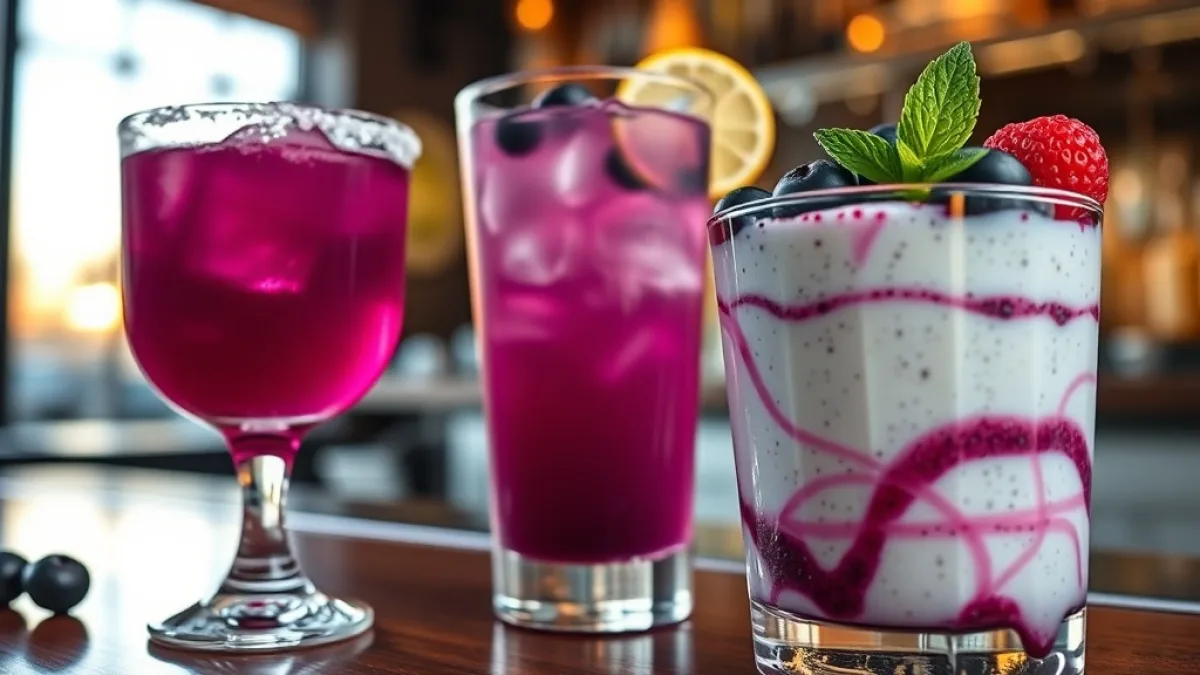
Blueberry puree brings color and flavor to drinks without the seeds or pulp that fresh berries leave behind. Here are three ways to use it for grown-ups.
Blueberry Margarita
In a shaker, combine two ounces of blueberry puree, two ounces of tequila, one ounce of fresh lime juice, and one ounce of orange liqueur. Add ice and shake hard for 15 seconds. Strain into a glass over fresh ice and garnish with a lime wheel. The puree gives you a deep purple color and a fruity sweetness that balances the tart lime without added sugar.
Blueberry Lemonade (Non-Alcoholic)
Mix two ounces of puree with eight ounces of cold water and the juice of half a lemon. Stir in one teaspoon of honey or maple syrup if you want extra sweetness. This is what you make when you’re stuck at home with a baby and need something that feels special but takes two minutes.
Blueberry Chia Pudding
Whisk three tablespoons of chia seeds into one cup of milk (dairy or non-dairy). Let it sit for five minutes, whisk again to break up clumps, then stir in two tablespoons of blueberry puree. Refrigerate for at least two hours or overnight. The chia seeds absorb the liquid and create a pudding-like texture, and the puree swirls through in purple streaks. Top with fresh berries or granola before serving.
Organic vs. Conventional: Pesticide Reduction and Cost
Blueberries often appear on lists of produce with higher pesticide residues, which makes some parents nervous. Organic blueberries eliminate most of that concern, but they also cost about 50% more on average. If organic isn’t in your budget, a proper wash can reduce residues significantly.
Here’s the method: combine one part white vinegar with three parts water in a bowl. Submerge the blueberries and let them soak for five minutes. Rinse them thoroughly under cold running water afterward. This won’t remove everything, but studies show it reduces surface pesticides more effectively than water alone.
| Option | Pros | Cons |
|---|---|---|
| Organic | Fewer pesticide residues, supports sustainable farming | Higher cost, not always available fresh |
| Conventional (with vinegar wash) | Lower cost, widely available, reduced residues after washing | Some residues remain, less clarity on farming practices |
Wild blueberries, which are smaller and darker than cultivated varieties, tend to have higher antioxidant levels but are harder to find fresh. If you see them frozen, grab a bag. They work just as well in puree and often cost less than organic cultivated berries.
Health Benefits from Digestion to Immunity
For babies, the fiber in blueberries supports the development of healthy gut bacteria. Early introduction of high-fiber fruits has been linked to better digestive patterns and may reduce constipation as babies transition to solid foods. The Institute for Integrative Nutrition highlights that one cup of blueberries provides 14% of the daily fiber recommendation, which is significant for an infant’s small stomach.
Vitamin C plays a direct role in immune function, helping babies produce white blood cells and fight off infections as they’re exposed to new environments and people. The 24% of daily vitamin C in a cup of blueberries is more than enough to support this, especially when paired with other vitamin C-rich foods like strawberries or bell peppers.
For adults, the anthocyanins in blueberries have been studied for their role in reducing inflammation and oxidative stress. Healthline’s 2024 review notes that regular blueberry consumption may improve markers of endothelial function, which is the health of the blood vessel lining. This matters for long-term cardiovascular health, especially for people managing high blood pressure or elevated cholesterol.
Blueberries also have a low glycemic index, which means they don’t spike blood sugar the way some fruits do. That makes them a smart choice for people managing diabetes or trying to keep energy levels steady throughout the day.
Frequently Asked Questions
How long does blueberry puree last in the fridge?
Blueberry puree lasts 48 hours in an airtight container in the refrigerator. After that, the risk of bacterial growth increases, especially if it’s been thinned with breastmilk or formula. Always smell and visually check it before serving to a baby.
Can I use frozen blueberries to make puree?
Yes. Steam frozen blueberries in a covered pot with a small amount of water for two minutes, let them cool slightly, then blend as you would fresh berries. Frozen berries work just as well and are often cheaper, especially out of season.
Are blueberries choking-safe at 12 months?
It depends on your child’s chewing skills. If they can move food confidently around their mouth and have several teeth, quartered or flattened blueberries may be safe. Whole blueberries are still a choking hazard until around age four. Watch your child closely during meals and trust your judgment.
What are the signs of a blueberry allergy in babies?
Watch for hives, swelling around the mouth or eyes, vomiting, diarrhea, or unusual fussiness within a few hours of eating. True allergies are rare, but cross-reactivity with other fruits like peaches or cherries can happen. Introduce blueberries during the day so you can monitor symptoms for at least three to five days.
What’s the best way to use blueberry puree in cocktails?
Use two ounces of puree per cocktail as a base. It works especially well in margaritas, mojitos, and vodka sodas. The puree adds natural sweetness and color without the seeds or chunks that fresh berries leave behind. Shake it hard with ice to fully incorporate it into the drink.
How do I thicken blueberry puree for baby-led weaning?
Mix the puree with full-fat plain yogurt, mashed avocado, or cooked oatmeal. These additions thicken the texture and make it easier for babies to scoop with their hands or a preloaded spoon. Start with a 1:1 ratio and adjust based on what your baby handles best.