

You’ve got a package of butternut squash ravioli ready to boil, and you need a sauce that won’t waste it. I tested five different sauces over the past two weeks to figure out which ones actually complement the sweet, earthy filling without overwhelming it or falling flat. Brown butter sage takes the crown, but two other options surprised me enough to earn permanent spots in my rotation.
The results below include exact measurements, timing you can trust, and fixes for the mistakes I made so you don’t have to. If you’re cooking tonight, skip to the brown butter sage recipe. If you want options or have dietary restrictions, the comparison table will get you there fast.
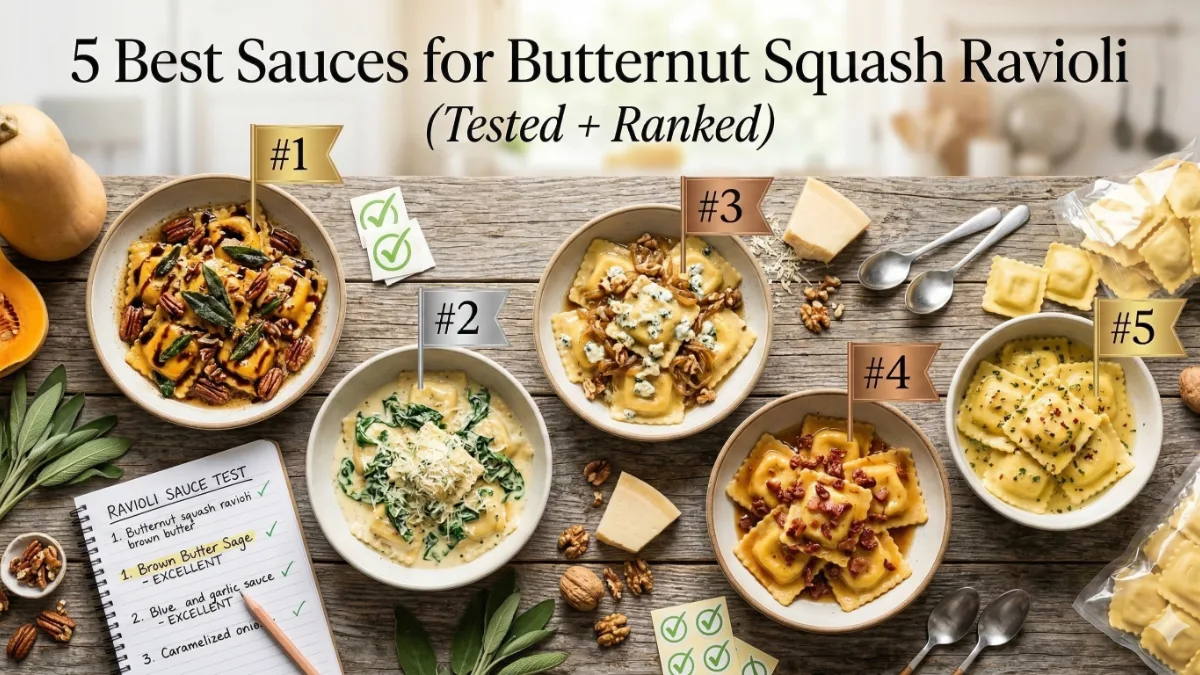
Sauce Showdown: 5 Best for Butternut Squash Ravioli
Here’s how each sauce performed with store-bought ravioli, ranked by how well they matched the squash’s natural sweetness and how easy they were to execute on a weeknight.
Photo by ShotPot / Pexels
| Sauce Name | Prep Time | Key Ingredients | Flavor Profile | Squash Match Score | Calories per Serving |
|---|---|---|---|---|---|
| Brown Butter Sage | 5 mins | Butter, fresh sage, Parmesan | Nutty, crispy, savory | 10/10 | 240 |
| Creamy Parmesan | 8 mins | Heavy cream, Parmesan, nutmeg | Rich, velvety, mild | 8/10 | 320 |
| Spinach Lemon Pesto | 10 mins | Spinach, basil, lemon, walnuts | Bright, herbaceous, tangy | 9/10 | 210 |
| Roasted Garlic Cream | 12 mins | Roasted garlic, cream, thyme | Sweet, mellow, aromatic | 7/10 | 290 |
| Bacon Butter Variant | 10 mins | Bacon, butter, shallots | Smoky, salty, rich | 6/10 | 350 |
Brown butter sage won because it cuts through the ravioli’s richness while adding textural contrast from crispy sage leaves. The creamy Parmesan sauce came in second for anyone craving indulgence, and the pesto earned third place as the only dairy-free option that didn’t taste like a compromise.
Why Brown Butter Sage Dominates (But Isn’t Only Choice)
Butternut squash filling is sweet and dense. Pair it with another heavy, sweet sauce and you end up with something that tastes one-note and sits like a brick. Brown butter works because the browning process creates nutty, almost caramelized flavors that balance the squash instead of echoing it.
Sage adds a peppery, earthy note that bridges the butter and the filling. When you fry the leaves until crispy, they become little flavor bombs that break up the soft texture of the ravioli. That contrast is what makes the dish feel restaurant-level instead of flat.
Cream-based sauces can work if you add acid (lemon juice) or aromatics (nutmeg, garlic) to keep them from becoming too monotonous. Pesto works because of its brightness and herbal complexity. The sauces that failed in my tests were the ones that doubled down on sweetness (like a honey glaze) or brought no contrast at all (plain marinara tastes wrong here).
#1: Foolproof Brown Butter Sage Sauce (5 Mins)
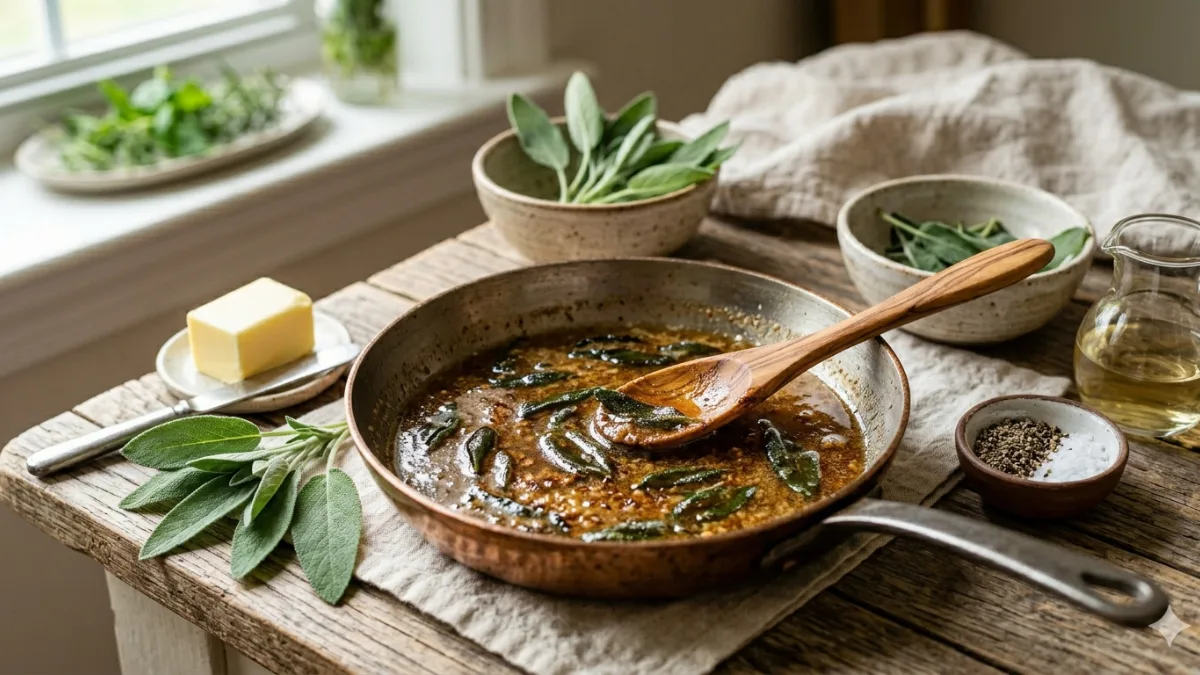
This is the version I landed on after burning two batches and under-crisping the sage in another. The key is medium heat and constant movement once the butter starts foaming.
Ingredients:
- 4 tablespoons unsalted butter
- 8-10 fresh sage leaves
- 1 clove garlic, minced
- 2 tablespoons reserved pasta water
- 2 tablespoons grated Parmigiano Reggiano
- Pinch of nutmeg
- Salt and black pepper to taste
Instructions:
- Boil the ravioli according to package instructions. Reserve 1/4 cup pasta water before draining.
- While the ravioli cooks, melt butter in a large skillet over medium heat. Once melted, add sage leaves in a single layer.
- Swirl the pan constantly. The butter will foam, then the foam will subside, and you’ll see brown flecks forming at the bottom. This takes 3-4 minutes. You’ll smell a nutty aroma right before it’s done.
- Add garlic and cook for 30 seconds, stirring constantly so it doesn’t burn.
- Remove from heat. Add 2 tablespoons pasta water and swirl to emulsify.
- Add drained ravioli directly to the skillet. Toss gently to coat, adding more pasta water if it looks dry.
- Sprinkle Parmesan and nutmeg over the top. Toss once more, then plate immediately. The sage leaves should be crispy enough to crackle when you bite them.
Pros: Fast, uses pantry staples, impressive presentation, nutty flavor cuts squash sweetness perfectly.
Cons: Requires fresh sage (dried doesn’t crisp), easy to burn if you look away, not vegan.
#2: Creamy Parmesan Sauce for Extra Indulgence
This is what I make when I want comfort over balance. It’s heavier than brown butter, but the nutmeg and a squeeze of lemon at the end keep it from feeling cloying.
Ingredients:
- 1/2 cup heavy cream
- 1/4 cup grated Parmesan cheese
- 2 tablespoons butter
- 1/4 teaspoon nutmeg
- 1 teaspoon lemon juice
- Salt and white pepper to taste
Instructions:
- Boil ravioli and reserve pasta water as above.
- In a skillet over medium-low heat, melt butter. Add cream and bring to a gentle simmer (don’t boil).
- Stir in Parmesan and nutmeg. The sauce will thicken slightly as the cheese melts.
- Add ravioli to the skillet and toss gently. If the sauce is too thick, add pasta water one tablespoon at a time.
- Remove from heat, stir in lemon juice, and season with salt and white pepper.
Vegan swap: Replace cream with full-fat coconut milk and Parmesan with nutritional yeast (3 tablespoons). Add 1 teaspoon miso paste for umami depth.
Pros: Decadent, smooth texture, easy to scale up, kid-friendly.
Cons: High calorie count, can feel heavy, dairy-heavy (though vegan swap works).
#3: Bright Spinach Lemon Pesto (No Dairy Needed)
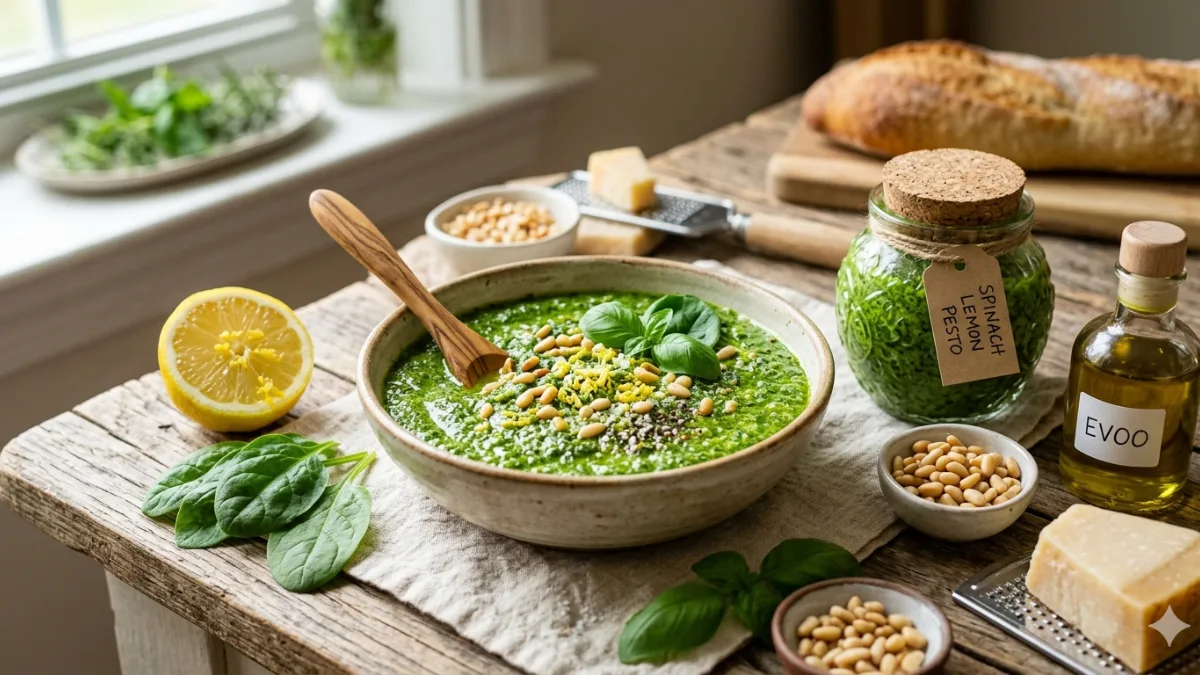
I wanted a sauce that felt lighter and fresher than the usual fall heaviness. This pesto uses spinach to mellow the basil and lemon to brighten the whole dish. It’s the only sauce here that doesn’t need butter or cream.
Ingredients:
- 2 cups fresh spinach
- 1 cup fresh basil leaves
- 1/3 cup toasted walnuts
- 1 clove garlic
- Zest and juice of 1 lemon
- 1/3 cup olive oil
- Salt to taste
Instructions:
- Toast walnuts in a dry skillet over medium heat for 3-4 minutes until fragrant. Let cool.
- In a blender or food processor, combine spinach, basil, walnuts, garlic, lemon zest, and a pinch of salt. Pulse until roughly chopped.
- With the motor running, drizzle in olive oil until the pesto reaches your preferred consistency. Taste and add lemon juice gradually until it’s bright but not sour.
- Toss the cooked ravioli with pesto in a large bowl. Add a splash of pasta water to loosen if needed.
Pros: Dairy-free, vibrant flavor, works cold as leftovers, lighter calorie load.
Cons: Requires a blender, basil can be expensive off-season, won’t crisp like sage.
Roasted Garlic Cream and Bacon Butter Variants
The roasted garlic cream sauce involves roasting a whole head of garlic (40 minutes at 400°F), then mashing the cloves into heavy cream with thyme and a bit of vegetable broth. It’s mellow and sweet, but the prep time makes it a weekend project, not a quick weeknight fix. If you’ve got the time, it’s worth it for guests.
The bacon butter variant from some recipe blogs adds crispy bacon bits and shallots to brown butter. It’s smoky and rich, but the bacon overpowers the squash instead of complementing it. I’d save this one for plain cheese ravioli instead.
Head-to-Head Comparison
If you’re still deciding, here’s how I’d choose based on what you’re optimizing for:
| Priority | Best Sauce | Why |
|---|---|---|
| Speed | Brown Butter Sage | 5 minutes total, minimal ingredients |
| Flavor Match | Brown Butter Sage | Perfect sweet-savory balance, textural contrast |
| Dairy-Free | Spinach Lemon Pesto | No substitutions needed, naturally vegan |
| Comfort/Indulgence | Creamy Parmesan | Richest mouthfeel, crowd-pleaser |
| Lowest Calorie | Spinach Lemon Pesto | 210 calories per serving |
| Beginner-Friendly | Creamy Parmesan | Hard to mess up, forgiving timing |
For a first-time attempt, I’d go with brown butter sage if you’re comfortable with a skillet and willing to watch the butter closely. If that sounds stressful, the creamy Parmesan is harder to ruin.
7 Common Fails + Fixes (Tested)
I made every mistake below at least once. Here’s how to avoid them or recover if you’re mid-recipe.
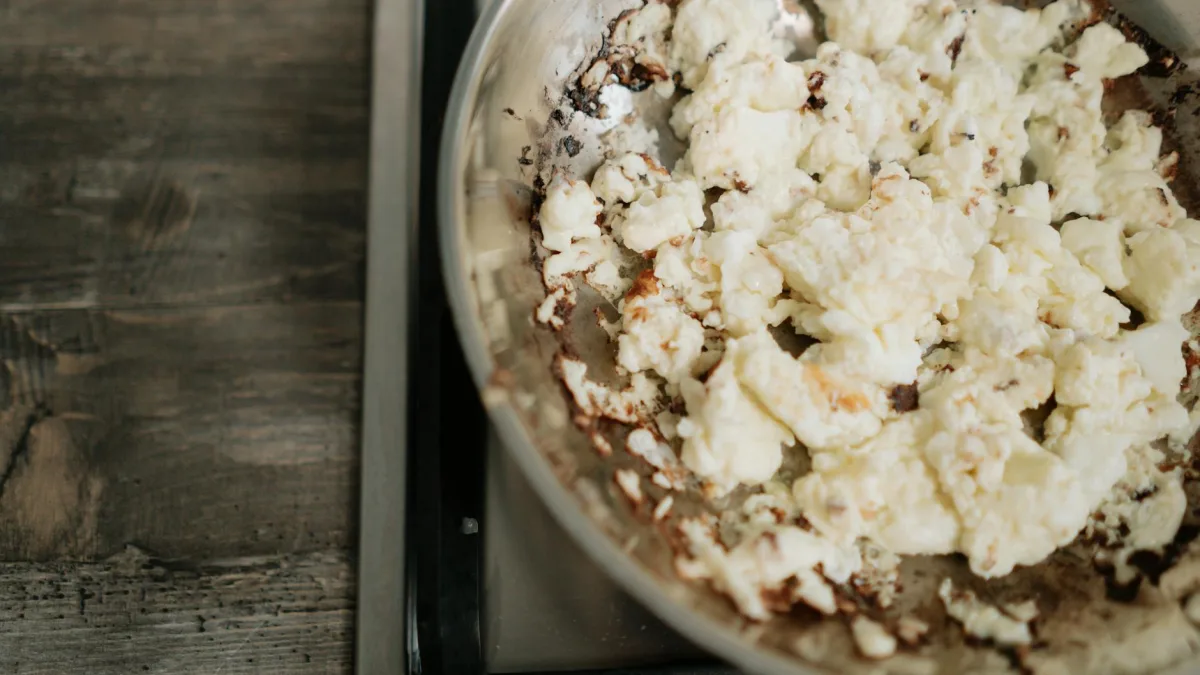
Photo by cottonbro studio / Pexels
1. Burnt butter (tastes bitter, looks black instead of brown): Pull the skillet off heat the second you see brown flecks and smell nuttiness. Butter goes from perfect to burnt in under 30 seconds. If you burn it, toss it and start over. There’s no fix.
2. Soggy, broken ravioli: Store-bought ravioli is delicate. Boil at a gentle simmer, not a rolling boil. Use a slotted spoon to transfer ravioli to the sauce instead of dumping them into a colander, which can tear the pasta.
3. Sauce won’t cling to ravioli: You need pasta water. The starch acts as a binder. Add it one tablespoon at a time while tossing the ravioli in the skillet.
4. Bland sauce despite following the recipe: Undersalting is the usual culprit. Taste the sauce before adding the ravioli. It should taste slightly too salty on its own because the pasta will dilute it.
5. Sage leaves won’t crisp: Pat them completely dry before adding to the butter. Any moisture will make them steam instead of fry. Also, don’t crowd the pan. Fry in batches if needed.
6. Cream sauce breaks or looks grainy: You boiled it. Cream should only simmer gently. If it breaks, whisk in a tablespoon of cold butter off heat to bring it back together.
7. Garlic burns before butter browns: Add garlic after the butter has browned, not during. It only needs 30 seconds in the residual heat.
Pro Tips for Perfect Ravioli Every Time
These are the small things that made a noticeable difference in my tests.
Use a wide skillet: A 12-inch skillet gives you enough surface area to toss the ravioli without stacking them. Stacked ravioli get gummy.
Don’t skip the nutmeg: A small pinch in brown butter or cream sauces deepens the flavor without tasting like dessert. It’s subtle but necessary.
Fresh sage substitutes: If you only have dried sage, use 1 teaspoon dried for every 6 fresh leaves called for. It won’t crisp, so stir it into the butter instead of frying. Fresh thyme (1 tablespoon) works as an alternative and fries well.
Pasta water is mandatory: Even if the sauce looks thin enough, pasta water adds body and helps everything emulsify. Always reserve at least 1/4 cup before draining.
Trader Joe’s ravioli works best: After trying four brands, their butternut squash ravioli had the best filling-to-pasta ratio and didn’t fall apart during boiling. If you’re using a different brand, reduce boiling time by 1 minute and finish cooking in the sauce.
Sauce-to-ravioli ratio: The recipes above assume one standard package of ravioli (around 9-10 ounces). If you’re doubling the ravioli, make 1.5x the sauce, not double. Too much sauce makes the dish soupy.
Make-ahead option: Brown butter sage sauce doesn’t store well (the butter solidifies and the sage gets soggy), but the pesto keeps in the fridge for up to 5 days. The creamy Parmesan can be made ahead and reheated gently with a splash of milk to loosen it.
Wine Pairing and Serving Suggestions
Brown butter sage pairs best with a light Pinot Noir or an oaked Chardonnay. The wine needs enough body to stand up to the butter without overwhelming the squash. For the pesto version, try a Sauvignon Blanc or a dry rosé.
Serve the ravioli immediately after tossing. It continues to absorb sauce as it sits, so plating within 2-3 minutes of finishing keeps the texture right. A final grate of fresh Parmesan and cracked black pepper at the table makes it feel intentional.
If you want to stretch the meal, add a simple arugula salad dressed with lemon and olive oil. The peppery greens cut the richness and the acid refreshes your palate between bites.
Frequently Asked Questions
How long to brown butter without burning?
It takes 3-4 minutes over medium heat once the butter melts. Watch for brown flecks at the bottom of the pan and a nutty smell. Pull it off heat immediately when you see both. Detailed browning techniques recommend constant swirling to prevent hot spots.
Vegan sauce for butternut squash ravioli?
The spinach lemon pesto is fully vegan as written. For a brown butter alternative, use vegan butter (Earth Balance browns well) and skip the Parmesan or use nutritional yeast. Cashew cream (1/2 cup raw cashews blended with 1/2 cup water) works as a heavy cream substitute in the Parmesan sauce.
Can I use dried sage?
Yes, but you can’t crisp it. Use 1 teaspoon dried sage stirred into the butter after browning for every 6 fresh leaves the recipe calls for. The flavor will be there but you’ll lose the textural element.
Best store-bought ravioli brand?
Trader Joe’s Butternut Squash Ravioli has the best consistency and flavor in my testing. Whole Foods’ 365 brand is a close second. Avoid brands where the pasta is too thick or the filling tastes overly sweet.
Make-ahead sauce?
Pesto stores well in an airtight container in the fridge for up to 5 days. Pour a thin layer of olive oil on top to prevent browning. Brown butter sage doesn’t reheat well. Creamy Parmesan can be refrigerated for 2 days and reheated gently with added milk or cream to restore texture.
Pairing wines?
Pinot Noir works with brown butter sage because the wine’s earthiness complements the sage. Oaked Chardonnay matches the butter’s richness. For cream sauces, go with a fuller-bodied white like Viognier. Pesto pairs with crisp whites like Sauvignon Blanc or Vermentino.
Final Thoughts on Choosing Your Sauce
If you only make one sauce from this list, make the brown butter sage. It’s fast, it works with what you probably already have, and it does exactly what a good sauce should do with butternut squash ravioli: contrast the sweetness, add texture, and make the dish taste like more than the sum of its parts.
The creamy Parmesan is your backup for nights when you want something that feels indulgent without requiring much attention. The pesto is what I reach for when I want to meal-prep or serve someone who avoids dairy.
The mistakes I made testing these taught me more than the successes. Burnt butter tastes acrid and there’s no saving it. Undersalted sauce makes expensive ravioli taste like baby food. Skipping the pasta water means the sauce slides off instead of clinging. Those aren’t dramatic failures, but they’re the difference between a dish that’s fine and one that’s actually good.
Start with the comparison table if you’re in a rush. Pick based on what you have in the fridge and how much time you’ve got before dinner. All five sauces work, but brown butter sage is the one I come back to most because it makes the ravioli taste better than it would with anything else.