

What to Actually Do in Exuma (And Why Georgetown Is Your Best Base)
If you’ve been scrolling through lists of things to do in Exuma, you’ve probably seen the same three attractions repeated everywhere: swimming pigs, Thunderball Grotto, and iguanas. Those are worth your time, but they’re not the whole story. And if every article you’ve read assumes you’re doing a rushed day trip from Nassau, this one’s different.
This guide is for people who are actually staying in Exuma, specifically on Great Exuma, with Georgetown as home base. I’ll walk you through a realistic week of activities with real costs, tide-dependent timing, and honest takes on what’s worth the money. Whether you’re traveling as a couple, with kids, or solo, you’ll leave here with a plan you can actually follow.
Why Exuma in 2026 Feels Different
The Bahamas saw roughly 12.5 million visitors in 2025, an 11.4% jump from the year before. A lot of that traffic stays in Nassau and Paradise Island, but the Family Islands, Exuma included, are getting busier. Canadian arrivals alone surged over 50% in recent years. You’ll feel this shift most at the popular cays, especially around midday when powerboats from Nassau pull in.
That’s exactly why basing yourself in Georgetown makes sense. You’re already on Great Exuma. You can time your outings to dodge the crowds. You have access to beaches, local food, and history that the day-trippers never see. It’s a quieter, more honest version of the Bahamas, and it rewards people who stick around.
Georgetown as Your Exuma Basecamp
Georgetown is small. That’s the point. It’s the kind of place where you’ll recognize faces at the market by day three. But don’t mistake small for empty.
Start at the straw market near the government dock, where you’ll find local crafts, hot sauce, and sea grape jelly. Walk to the Old Stone House, one of the oldest structures on the island. It’s not a polished museum experience. It’s a quiet reminder of how deep history runs here.
If you’re looking for things to do in Georgetown Bahamas that don’t involve a boat, rent a bicycle and ride along the harbor. A canal boat cruise is another solid option, running about $40-60 per person and lasting around 90 minutes. You’ll wind through mangrove creeks with a local guide who knows more about the ecosystem than any brochure can tell you.
For food, skip the resort dining room at least once. Roadside conch salad stands near the fish fry area serve plates for under $15. The conch is pulled fresh, cracked in front of you, mixed with lime and pepper. It’s one of the best meals you’ll have all trip.
If your visit lines up with the National Family Island Regatta, usually held in April, that’s Georgetown at its most electric. Handmade wooden sloops race in Elizabeth Harbour, and the whole town turns into a celebration of Bahamian sailing tradition.
Exuma Snorkel and Beach Spots Ranked by Accessibility
Not every beach or snorkel site requires a boat charter. Here’s how I’d prioritize them, starting with the easiest to reach from Georgetown.
Hoopers Bay Beach is a five-minute drive from town. Calm, shallow water. Perfect for families with toddlers. Almost no one is there on weekdays. If you want a beach day without logistics, this is it.
Coco Plum Beach sits on the Atlantic side and has more wave action, but it’s still swimmable. The sand is powdery white. Good for couples who want space.
Tropic of Cancer Beach on Little Exuma is about a 30-minute drive south. It sits right on the Tropic of Cancer latitude line, and yes, there’s a marker. The water is absurdly clear. You might spot starfish in the shallows. No facilities, so bring water and a towel.
Stocking Island is a short ferry ride from Georgetown’s government dock. Once there, you’ve got ocean-side beaches, a popular beach bar, and decent snorkeling along the reef. Round-trip ferry costs about $15.
Thunderball Grotto near Staniel Cay is the crown jewel, but timing matters. You need to enter at low tide when the opening is accessible and the interior light hits the water just right. Plan around the tide chart, not around your schedule. Snorkeling inside during low tide reveals schools of sergeant majors and parrotfish in an underwater cave lit by natural skylights.
The Sea Aquarium near Warderick Wells is another standout for snorkelers. Nurse sharks and rays drift through a natural coral enclosure. It’s usually included on full-day island-hopping tours.
For certified divers, the Exuma Wall drops off dramatically into deep blue. It’s not for beginners, but experienced divers call it one of the best wall dives in the Caribbean.
Island Hopping Without the Nassau Day-Trip Chaos
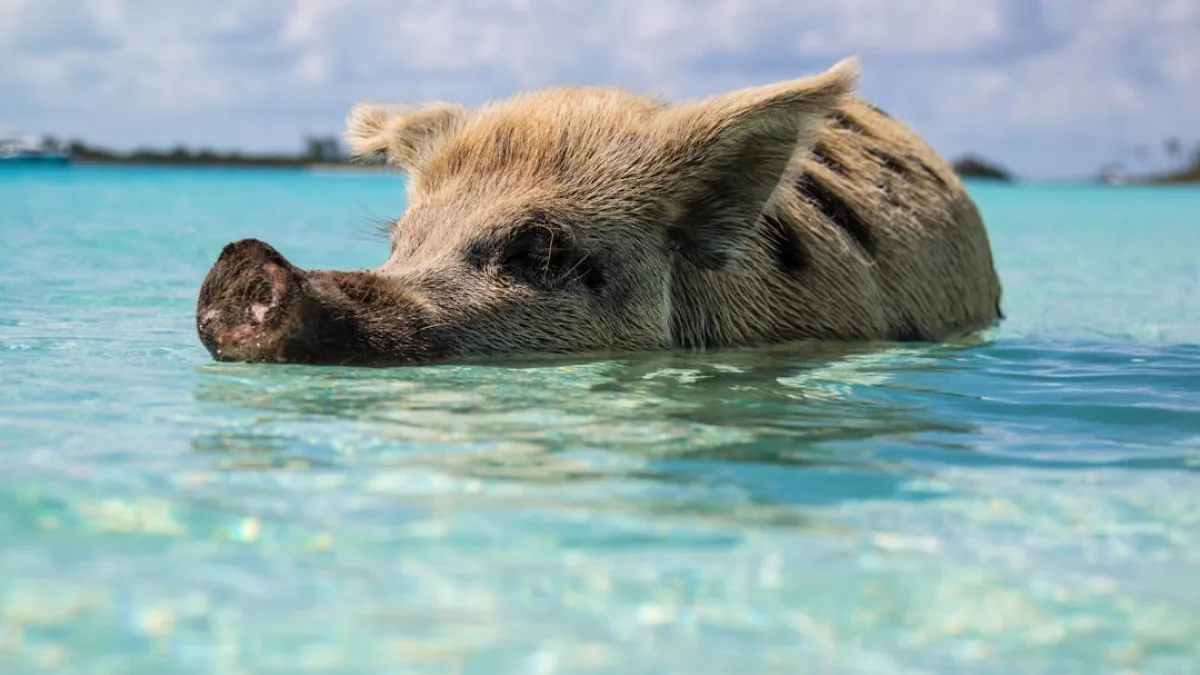
Photo by Forest S / Unsplash
Here’s what most guides won’t tell you: the powerboat tours from Nassau to Exuma Cays are long, loud, and crowded. You’ll spend two hours each way bouncing over waves, arriving at Pig Beach alongside five other boats at peak hours.
If you’re already on Great Exuma, you have better options. Local boat charters from Staniel Cay or Barraterre are smaller, more flexible, and significantly less hectic. A private half-day charter for 4-6 people runs roughly $400-$600, which splits nicely.
Pig Beach is on Big Major Cay. The swimming pigs are real, they’re friendly, and they’ll wade right up to you. But go early. By 11 AM, the Nassau boats arrive and it gets chaotic. If you’re bringing kids, mornings are calmer and the pigs are less overwhelmed.
Allen’s Cay is home to Bahamian rock iguanas, a protected species you won’t find anywhere else. They’re prehistoric-looking and surprisingly chill. Bring grapes (the accepted offering) and keep a respectful distance.
Compass Cay has a natural tidal pool locals call the Bubble Bath. Water churns through rocky channels and creates a natural jacuzzi effect. It’s genuinely fun, especially for older kids who can handle a bit of current.
The Exuma Cays Land and Sea Park, stretching across 176 square miles, was the first of its kind in the world. Warderick Wells serves as its headquarters. No fishing, no collecting. Shroud Cay’s tidal creeks offer kayaking through mangrove channels that feel completely untouched.
Budget and Free Activities Most Guides Skip

Photo by Pawel Kostelnik / Unsplash
You don’t need $400 tours to fill a week in Exuma. Some of the best days cost almost nothing.
Rent an ATV and explore the southern end of Great Exuma and Little Exuma on your own. Rentals run about $80-$120 for a full day. You’ll pass salt ponds, abandoned plantation ruins, and stretches of coastline with no one around. The Hermitage, a small colonial-era tomb site on Little Exuma, is worth a stop.
Walk along Bonefish Flats at low tide. Even if you’re not fishing, wading through ankle-deep crystal water over white sand is something you’ll remember. If you do want to fish, local guides charge around $300 for a half day, and bonefishing here is world-class.
In Georgetown, the Pompey statue honors the legacy of enslaved people who revolted on Exuma in 1830. It’s a quiet, powerful spot that most tourists walk right past.
Pack a lunch and spend a full afternoon on Stocking Island’s ocean beach. No charge beyond the ferry. Bring a snorkel.
Family Guide: What Works for Kids Ages 2 to 12
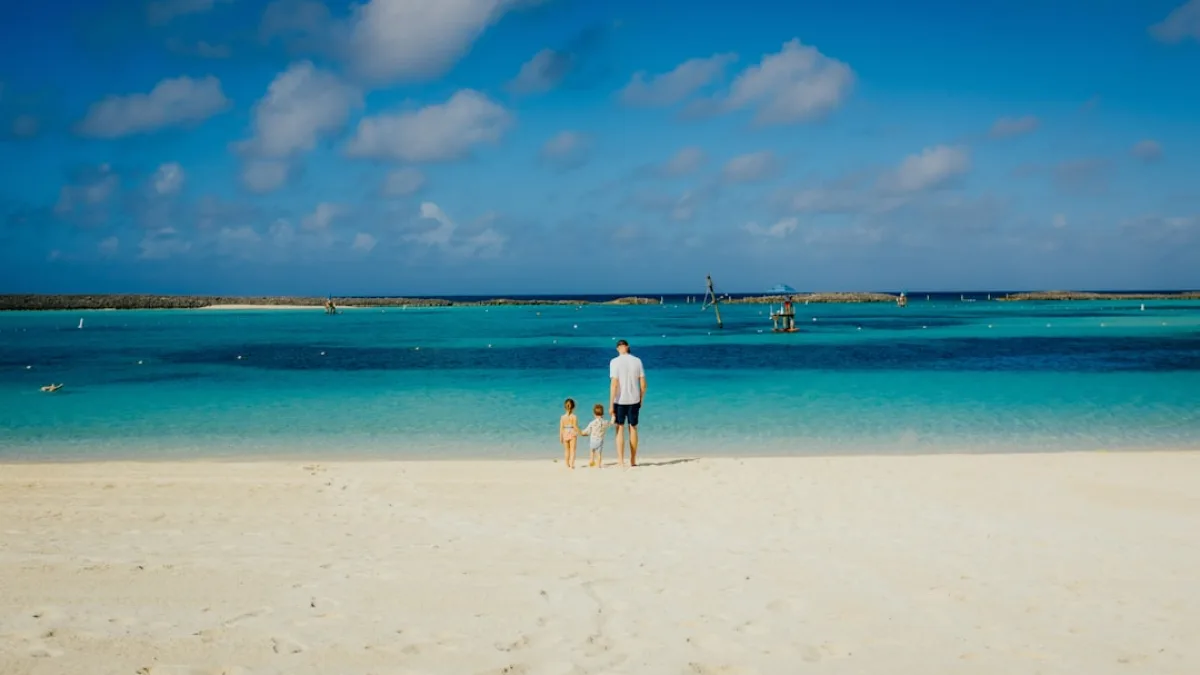
Photo by Trent Erwin / Unsplash
Exuma is manageable with kids if you pick the right spots. Here’s what I’d recommend by age.
For toddlers and young children (2-5), stick to Hoopers Bay and Coco Plum Beach. Shallow entry, no waves to speak of, and plenty of shade at Hoopers if you bring an umbrella. Skip Thunderball Grotto at this age. The swim-through entrance isn’t safe for small children.
Kids aged 6-9 will love Pig Beach (morning only), Allen’s Cay iguanas, and the Bubble Bath at Compass Cay. All three are boat-accessible and active enough to hold their attention. Family-friendly tour operators on Tripadvisor often include all three stops in one outing.
Older kids (10-12) can handle snorkeling at Thunderball Grotto during low tide. They’ll also enjoy ATV rides along the southern coast and kayaking through mangrove creeks near Shroud Cay.
One practical note: bring reef-safe sunscreen and water shoes. The coral and rocky entries at several cays can be rough on bare feet.
When to Go: Seasons, Tides, and Crowds
Peak season runs from mid-December through April. The weather is warm, rain is rare, and prices are highest. The Regatta in April draws big crowds to Georgetown.
May through June is my favorite window. The weather is still excellent, rates drop noticeably, and tourist traffic thins out. Thunderball Grotto is easier to enjoy without a dozen other snorkelers inside.
Summer (July-August) brings families and higher humidity, but also the best conditions for ATV exploration and beach days on quieter stretches. September through November is hurricane season. Prices are lowest, but you’re gambling on weather disruptions.
For tidal activities like the Grotto or Bubble Bath, check the local tide charts before booking any tours. A midday high tide means you’re swimming into a cave opening that might be fully submerged. Low tide, ideally in the morning, is when you want to be there.
Frequently Asked Questions
How do you get from Nassau to Exuma?
Flights from Nassau to Georgetown take about 30 minutes. Bahamasair and smaller carriers operate daily. Expect $150-$250 round trip. There’s no regular passenger ferry, so flying is your practical option.
What’s the best time to visit Thunderball Grotto?
Low tide, first thing in the morning. The cave opening is easier to enter, the light inside is best, and you’ll beat the tour boats. Check tide charts for the specific day of your visit.
Are the swimming pigs safe for kids?
Generally yes, but go early when fewer boats are around and the pigs are calmer. Supervise closely. The pigs can be pushy when they expect food. Morning visits before 10 AM are best for families.
What can you do in Georgetown for free?
Walk the harbor, visit the straw market, see the Pompey statue, explore the Old Stone House, and wade Bonefish Flats at low tide. Stocking Island’s ferry is cheap but not free.
Should you book tours or explore independently?
For the cays (pigs, iguanas, Compass Cay), you need a boat, so a tour or private charter makes sense. For everything on Great Exuma and Little Exuma, rent a car or ATV and go at your own pace. You’ll save money and see more.
Which beaches near Georgetown are best for families?
Hoopers Bay is the calmest and closest. Coco Plum Beach is beautiful but has slightly more wave action. Both are uncrowded on weekdays and free to visit.