

You’ve melted butter, squeezed in lemon juice, and watched it split into a greasy puddle. I’ve been there too—following recipes that promised “easy” but delivered disaster. The truth is, lemon butter sauce isn’t hard, but it requires understanding one critical thing: emulsification. When you nail that, you get a silky sauce that clings to pasta, brightens fish, and transforms roasted vegetables. This guide walks you through a foolproof method, explains exactly why sauces break, and shows you how to fix them when they do.
The technique below works whether you’re making a quick weeknight dinner or trying to replicate that restaurant-quality finish. I’ve tested this with different butters, lemons, and heat levels so you don’t have to guess.
What Makes Lemon Butter Sauce Fail (And How to Fix It)
Most recipes gloss over the science, but emulsification is just fat and water forming a temporary partnership. Butter is mostly fat with some water and milk solids. Lemon juice is acidic water. When you combine them over heat, they want to separate unless you give them a reason to stay together.
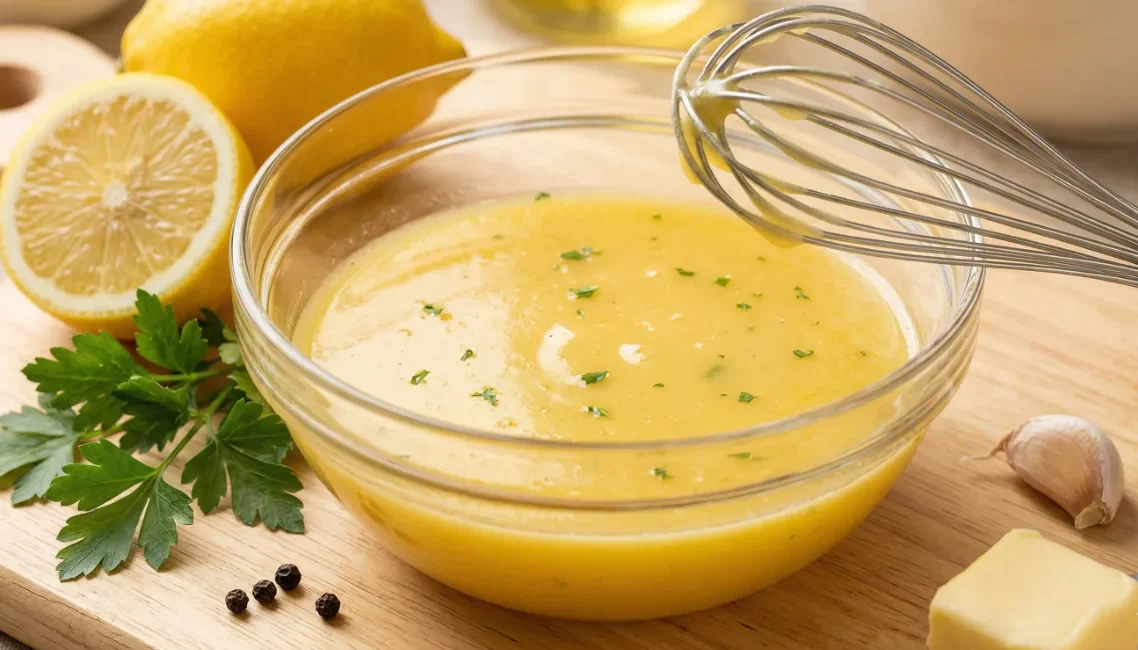
The three main culprits behind broken sauce are heat, timing, and butter temperature. High heat breaks the emulsion instantly—those milk proteins seize up and the fat splits out. Adding all your butter at once, especially melted butter, floods the mixture before the emulsion can stabilize. And room-temperature or melted butter lacks the temperature contrast needed to create that creamy suspension.
Here’s what a split sauce looks like: you’ll see a thin, oily layer pooling around watery liquid. The texture feels slick, not velvety. If this happens mid-cooking, pull the pan off heat immediately. Whisk in one tablespoon of ice-cold water while the pan cools—this resets the temperature and gives the emulsion a chance to rebuild.
If that doesn’t work, transfer the broken sauce to a blender, add one cold butter cube, and pulse on low for ten seconds. The mechanical action forces the fat and water back together.
Prevention is simpler than fixing. Keep your heat low enough that you can hold your hand an inch above the pan for three seconds without discomfort.
Cut butter into half-inch cubes straight from the fridge. Add one cube at a time, whisking until it’s almost fully melted before adding the next. This gradual approach lets each addition emulsify before the next one arrives.
Foolproof Lemon Butter Sauce Recipe
This version serves four as a pasta sauce or six as a drizzle for fish or vegetables. The ingredient list is short, but each one matters.
Ingredients:
- 6 tablespoons unsalted butter, cut into half-inch cubes and chilled
- 2 tablespoons fresh lemon juice (from about half a large lemon)
- 1 teaspoon lemon zest
- 2 garlic cloves, minced
- 1/4 teaspoon sea salt
- 1/8 teaspoon black pepper
- 2 tablespoons fresh parsley, chopped (optional)
Instructions:
Step 1: Warm a small saucepan over low heat for one minute. Add garlic and cook for 30 seconds, stirring constantly, until fragrant but not browned.
Step 2: Add lemon juice and lemon zest. Let the mixture simmer gently for 20 seconds—you’ll see tiny bubbles around the edges, but not a rolling boil.
Step 3: Drop in one cube of cold butter. Whisk continuously in a circular motion until the butter is nearly melted and the liquid looks creamy, about 15 seconds.
Step 4: Add the remaining butter cubes one at a time, whisking each until almost fully incorporated before adding the next. The sauce will thicken slightly and take on a pale yellow sheen.
Step 5: Once all butter is incorporated, remove from heat. Whisk in salt and black pepper. Taste and adjust—if it’s too tart, add one more butter cube off heat. If it needs brightness, add a quarter teaspoon more lemon juice.
Step 6: Stir in fresh parsley if using. Serve immediately for best texture.
Ingredients Breakdown and Substitutions That Actually Work
I tested this recipe with salted butter, bottled lemon juice, and garlic powder to see what you can get away with. Different ingredients change more than flavor—they affect how reliably the sauce emulsifies.
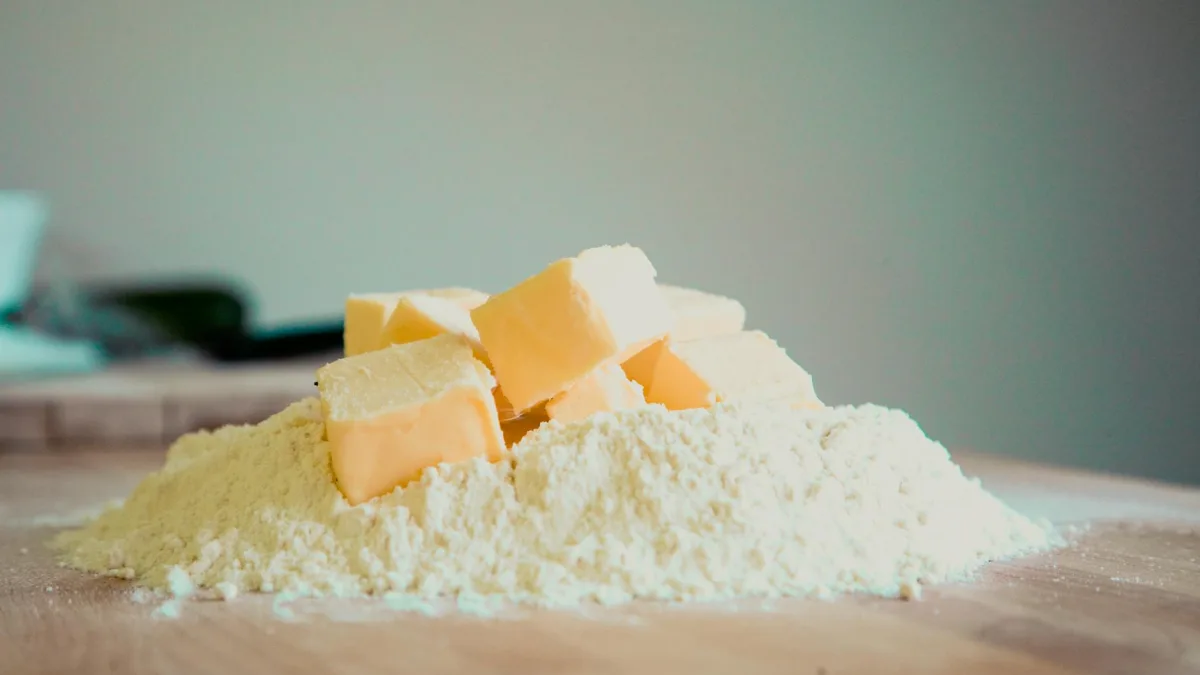
Photo by Markus Spiske / Pexels
| Ingredient | Flavor Score (1-5) | Split Risk | Notes |
|---|---|---|---|
| Unsalted butter (cold cubes) | 5 | Low | Gold standard—easy to control salt, emulsifies cleanly |
| Salted butter | 4 | Low | Works fine but skip added salt or it gets too salty |
| Room-temp butter | 3 | High | Melts too fast, sauce often splits |
| Fresh lemon juice | 5 | Low | Bright, clean acidity |
| Bottled lemon juice | 3 | Medium | Flatter taste, preservatives can interfere with emulsion |
| Fresh garlic | 5 | Low | Best flavor, no shortcuts here |
| Garlic powder | 2 | Low | Works in a pinch but tastes dusty |
Unsalted butter gives you the most control. Salted versions vary wildly by brand—some have twice the sodium of others—so you can’t predict the final seasoning. Fresh lemon juice is non-negotiable if you want restaurant-quality results. The bottled stuff works for a quick weeknight meal, but expect a duller, slightly chemical aftertaste.
For vegan adaptations, plant-based butters like Miyoko’s or Earth Balance emulsify reasonably well if kept cold and added gradually. They lack the milk proteins that help stabilize traditional butter sauces, so the texture will be thinner. Compensate by adding a quarter teaspoon of cornstarch whisked into the lemon juice before you start cooking.
Step-by-Step Instructions with Pro Tips
The method above is simple, but small details make the difference between a sauce that coats pasta beautifully and one that puddles at the bottom of the bowl.
Heat control: Low heat is everything. If you’re using an electric stove, preheat the burner on medium-low for two minutes, then drop it to low before adding ingredients. Electric coils retain heat longer than gas flames, and that residual warmth can break your sauce even after you’ve reduced the setting.
Whisking technique: Use a small whisk with thin wires—it incorporates butter faster than a bulky balloon whisk. Keep your motion steady and circular, scraping the pan bottom to prevent hot spots. If you see any shimmer of separated oil, pull the pan off heat and whisk in a teaspoon of cold water immediately.
Garlic timing: Garlic burns in seconds over even moderate heat, and burnt garlic tastes bitter. Cooking it for just 30 seconds in the warming pan releases its aroma without browning. If you prefer a milder garlic flavor, add it off heat after the sauce is done.
Lemon zest: Add zest with the juice, not at the end. The gentle simmer mellows its bitterness while the oils perfume the sauce. Use a microplane to avoid bitter white pith.
Off-heat finishing: Once the last butter cube is nearly melted, pull the pan off the burner. The residual heat will finish the job without risking a split. This is when you add salt, pepper, and any delicate herbs like parsley or chives.
How to Scale Lemon Butter Sauce for Pasta
Most lemon butter pasta recipes don’t tell you how much sauce you actually need, which is why you end up with dry noodles or a soup bowl. The base recipe above works for eight ounces of dried pasta—enough for two generous main-course servings or four side portions.
| Pasta Amount | Butter | Lemon Juice | Garlic | Pasta Water to Add |
|---|---|---|---|---|
| 8 oz (2 servings) | 6 tbsp | 2 tbsp | 2 cloves | 1/4 cup |
| 12 oz (3 servings) | 9 tbsp | 3 tbsp | 3 cloves | 1/3 cup |
| 1 lb (4 servings) | 12 tbsp | 4 tbsp | 4 cloves | 1/2 cup |
Pasta water is the secret to making lemon butter sauce cling. Starchy pasta water acts as a liaison between the fat in the butter and the dry surface of the noodles. Reserve a full cup of pasta water before you drain. After tossing the cooked pasta with your sauce, add pasta water a few tablespoons at a time, tossing constantly, until the sauce coats each strand without pooling at the bottom.
Thin shapes like linguine, angel hair, or spaghetti work best—they have more surface area for the sauce to grab. Short shapes like penne or rigatoni need a slightly thicker sauce, which you can achieve by reducing the lemon juice by one tablespoon and adding a tablespoon of grated Parmesan cheese at the end.
Storage, Reheating, and Freezing
Lemon butter sauce is best served fresh, but life happens. If you need to store it, transfer the cooled sauce to an airtight container and refrigerate for up to three days. The emulsion will break as it chills—this is normal. When you’re ready to use it, reheat gently over the lowest heat setting, whisking constantly. Add one tablespoon of hot water (not cold, which shocks the fat) to help the emulsion rebuild as it warms.
| Storage Method | Duration | Reheating Instructions |
|---|---|---|
| Refrigerator (airtight container) | 3 days | Low heat, whisk constantly, add 1 tbsp hot water |
| Freezer (freezer-safe container) | 1 month | Thaw in fridge overnight, reheat as above |
| Room temperature | 2 hours max | Reheat immediately or discard |
Freezing works but compromises texture. The emulsion will fully break when frozen, and reheating requires more effort—you’ll need to whisk vigorously over low heat and add up to two tablespoons of hot water to bring it back. If you’re planning to freeze, consider making the sauce without garlic and adding fresh garlic when you reheat. Frozen garlic can develop a metallic off-flavor after a few weeks.
Avoid microwaving. The uneven heat splits the sauce almost instantly, leaving you with separated butter and lemon water. If you absolutely must use a microwave, heat in five-second bursts at 50% power, whisking between each interval.
Five Upgraded Variations
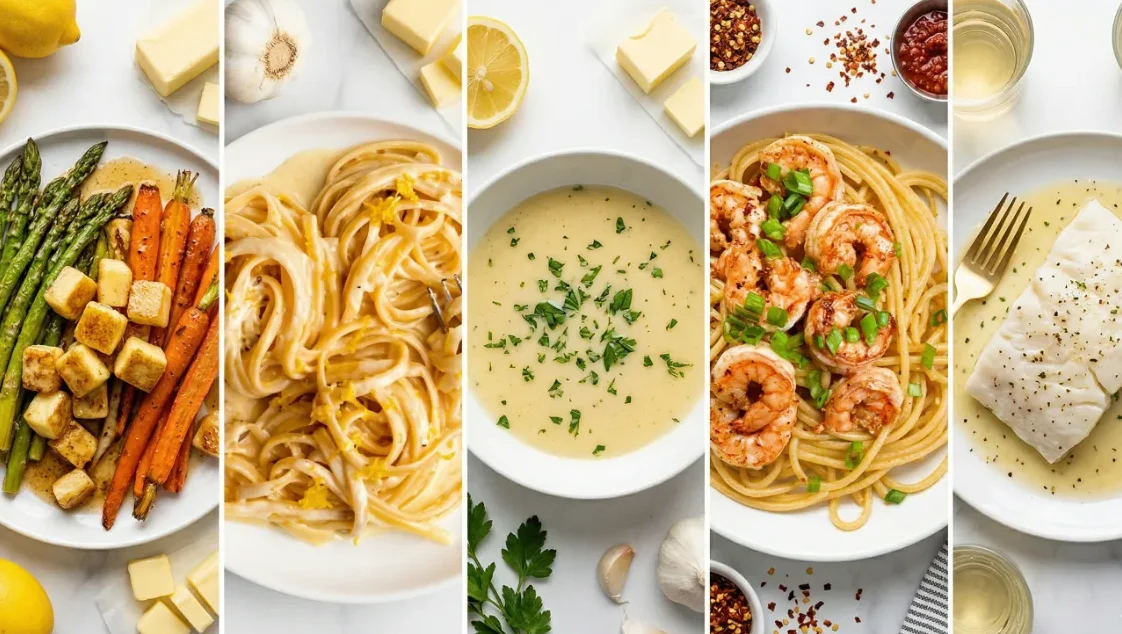
Brown Butter Lemon Sauce: Before starting the recipe, melt six tablespoons of butter in the pan over medium heat. Let it cook, swirling occasionally, until the milk solids turn golden brown and smell nutty—about four minutes. Pour into a heatproof bowl and refrigerate until solid, about 30 minutes. Cut the solidified brown butter into cubes and proceed with the recipe as written. This adds a toasted, caramelized depth that’s incredible with roasted vegetables or seared scallops.
Creamy Lemon Butter Sauce: After incorporating all the butter, whisk in three tablespoons of heavy cream or crème fraîche off heat. The dairy adds body and mellows the acidity. This variation is ideal for chicken or mild white fish like cod.
Vegan Lemon Butter Sauce: Substitute cold vegan butter (Miyoko’s works best) and whisk a quarter teaspoon of cornstarch into the lemon juice before cooking. The cornstarch mimics the stabilizing effect of milk proteins. The final sauce will be slightly thinner but still functional for pasta or vegetables.
Spicy Lemon Butter Sauce: Add a quarter teaspoon of red pepper flakes with the garlic in step one. For more heat, whisk in a teaspoon of Calabrian chili paste at the end. This version pairs beautifully with shrimp or spicy Italian sausage over pasta.
White Wine Lemon Butter Sauce: Replace one tablespoon of lemon juice with one tablespoon of dry white wine. Add the wine with the lemon juice in step two and let it reduce for 30 seconds before adding butter. The wine adds complexity without overpowering the brightness. This is the closest you’ll get to a classic beurre blanc without making a full wine reduction.
What to Serve with Lemon Butter Sauce
This sauce is a workhorse. I’ve used it on everything from steamed artichokes to pan-seared pork chops, and it adapts to whatever you’re cooking.
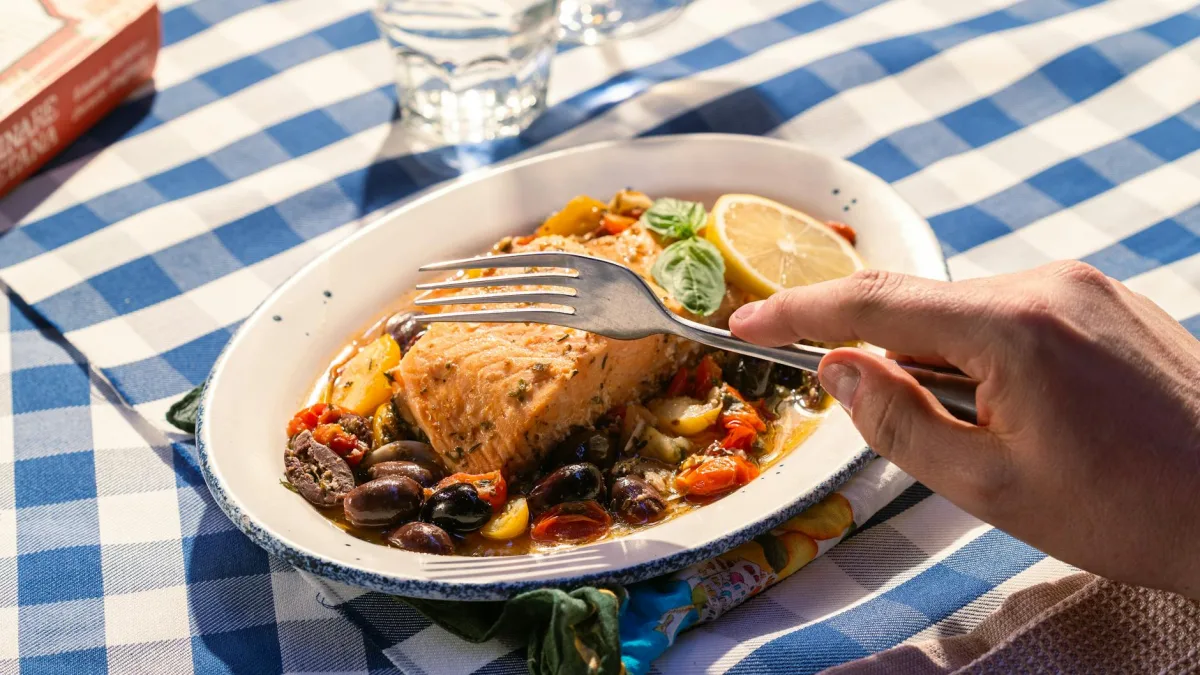
Photo by Willians Huerta / Pexels
| Dish | Recommended Tweak | Cook Time |
|---|---|---|
| Linguine or angel hair pasta | Add 1/4 cup pasta water, toss with Parmesan | 8-10 min (pasta cook time) |
| Grilled salmon or trout | Add 1 tsp capers for brininess | 6-8 min per side |
| Roasted asparagus or broccoli | Use brown butter variation | 15-20 min at 425°F |
| Sautéed chicken breast | Add 2 tbsp cream for richness | 6-7 min per side |
| Steamed artichokes | Increase lemon juice by 1 tsp for dipping | 25-30 min steam time |
| Pan-seared scallops | Use brown butter, add fresh thyme | 2-3 min per side |
| Garlic shrimp | Add red pepper flakes | 3-4 min total |
| Roasted cauliflower | Standard recipe, finish with parsley | 25-30 min at 425°F |
| Grilled swordfish | Add 1 tbsp white wine | 4-5 min per side |
| Egg noodles or orzo | Add 1/3 cup pasta water, extra garlic | 6-8 min (pasta cook time) |
For vegetables, drizzle the sauce after roasting or steaming—don’t toss them in the pan or the moisture will thin the sauce. For proteins, let the meat or fish rest for two minutes after cooking, then spoon the warm sauce over top. If you’re serving pasta, always toss the noodles directly in the pan with the sauce and reserved pasta water to help everything emulsify together.
Common Questions About Lemon Butter Sauce
How do I fix broken lemon butter sauce? Pull the pan off heat immediately. Whisk in one tablespoon of ice-cold water to drop the temperature and give the emulsion a chance to reform. If that doesn’t work, transfer the broken sauce to a blender, add one cold butter cube, and pulse on low for ten seconds. The mechanical blending forces the fat and liquid back together.
Can I make lemon butter sauce vegan? Yes, but it requires adjustments. Use a high-quality vegan butter like Miyoko’s, keep it cold, and whisk a quarter teaspoon of cornstarch into the lemon juice before you start. The cornstarch helps stabilize the emulsion in the absence of milk proteins. The texture will be slightly thinner than traditional butter sauce.
What’s the best pasta for lemon butter sauce? Thin, long shapes like linguine, angel hair, or spaghetti work best because they have more surface area for the sauce to cling to. Short pasta like penne or rigatoni needs a thicker sauce—reduce lemon juice by one tablespoon and add grated Parmesan to help it stick inside the tubes.
Does lemon butter sauce work with wine? It does. Replace one tablespoon of lemon juice with one tablespoon of dry white wine and let it reduce for 30 seconds before adding butter. The wine adds depth without overwhelming the lemon. Avoid sweet wines—they make the sauce cloying.
How long does lemon butter sauce last in the fridge? Up to three days in an airtight container. The emulsion will break as it chills, which is normal. Reheat over the lowest heat setting, whisking constantly, and add one tablespoon of hot water to help it come back together. Never microwave—it splits the sauce instantly.
What’s the difference between lemon butter sauce and beurre blanc? Beurre blanc is a more formal French sauce built on a wine and shallot reduction, with butter whisked in off heat to create a stable emulsion. Lemon butter sauce skips the reduction and uses lemon juice as the acid base, making it faster and less fussy. The technique is similar, but beurre blanc has a more refined, less assertive flavor.
Nutrition and Serving Size
The base recipe makes about three-quarters of a cup, which serves four as a pasta sauce or six as a drizzle for fish or vegetables. Each two-tablespoon serving contains approximately 90 calories, 10 grams of fat, 1 gram of carbohydrates, and trace amounts of protein. Sodium varies depending on whether you use salted or unsalted butter—the nutrition above assumes unsalted with a quarter teaspoon of added sea salt.
If you’re watching fat intake, this isn’t a low-fat sauce. Butter is the main ingredient, and there’s no way to lighten it without compromising the emulsion. That said, a little goes a long way. Two tablespoons is enough to coat eight ounces of pasta or generously sauce one fish fillet. You’re not drowning food—you’re adding a bright, rich accent.
For keto diets, this sauce fits cleanly. It’s high fat, low carb, and the only carbohydrates come from lemon juice and garlic. Pair it with zucchini noodles, sautéed spinach, or grilled chicken for a compliant meal.